
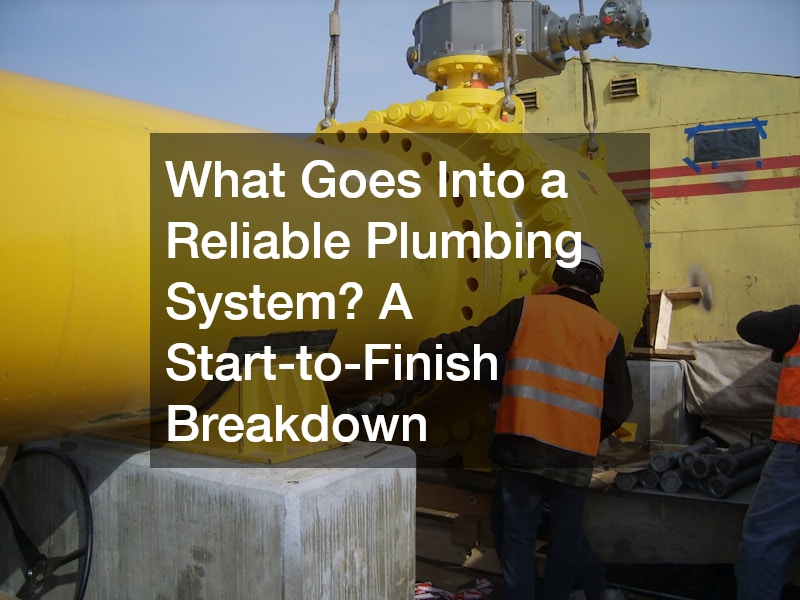
A reliable plumbing system doesn’t happen by accident. Whether it’s a residential home, a commercial facility, or a large-scale industrial site, every dependable system is the result of careful planning, durable materials, skilled installation, and ongoing maintenance. While most people only think about plumbing when something breaks, the reality is that a lot goes on behind the scenes to ensure everything works seamlessly day after day.
From the earliest stages of site preparation to long-term upkeep and future-proofing, every phase plays a role. Understanding this full process helps highlight just how much coordination and expertise is required to build a system that truly lasts.
Planning and Site Preparation

Every strong plumbing system begins long before any pipes are installed. The planning phase involves evaluating water demand, system layout, building structure, and environmental conditions. Engineers and contractors map out where everything will go, ensuring that water flow, drainage, and pressure are all optimized from the start.
Once plans are finalized, physical preparation begins. This often includes drilling services to create trenches, access points, and pathways for underground piping. Proper excavation is critical because even small miscalculations in slope or depth can lead to long-term drainage or pressure issues.
During this phase, planners also determine where key control points will be located. Strategic placement of valves ensures that different sections of the system can be managed independently, allowing for easier maintenance and improved performance over time.
Installing the Core System
With the site prepared, installation of the piping network begins. Modern systems increasingly rely on advanced techniques like pipe fusion, which creates seamless, highly durable connections. Unlike traditional joining methods, this process bonds materials together at a molecular level, significantly reducing the risk of leaks.
This approach is especially beneficial in systems that experience high pressure, temperature fluctuations, or heavy usage. A properly fused connection can last for decades, making it a cornerstone of reliable plumbing design.
As pipes are laid and connected, they must also be properly secured. Each bolt and support structure helps stabilize the system, preventing movement, vibration, and misalignment. While small in size, these components are essential to maintaining the integrity of the entire network.
Managing Flow and Pressure
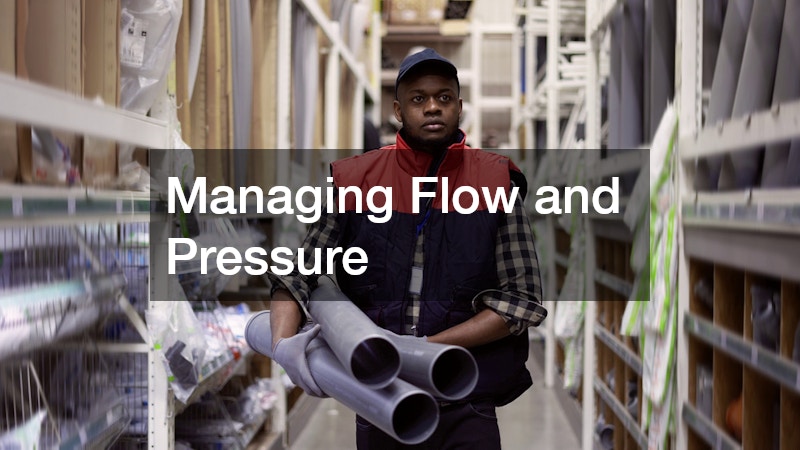
A plumbing system must do more than simply transport water—it must control it. This is where valves play a critical role. These components regulate flow, maintain pressure, and allow specific sections of the system to be shut off when necessary.
In more demanding environments, specialized options like a ceramic ball valve are often used. These are designed to handle abrasive materials, high temperatures, and intense pressure without degrading quickly. Their durability makes them ideal for industrial and high-performance applications.
Proper flow management ensures efficiency, reduces strain on the system, and helps prevent damage. Without effective control points, even a well-built system can experience uneven pressure or unnecessary wear.
Protecting Against Wear and Corrosion
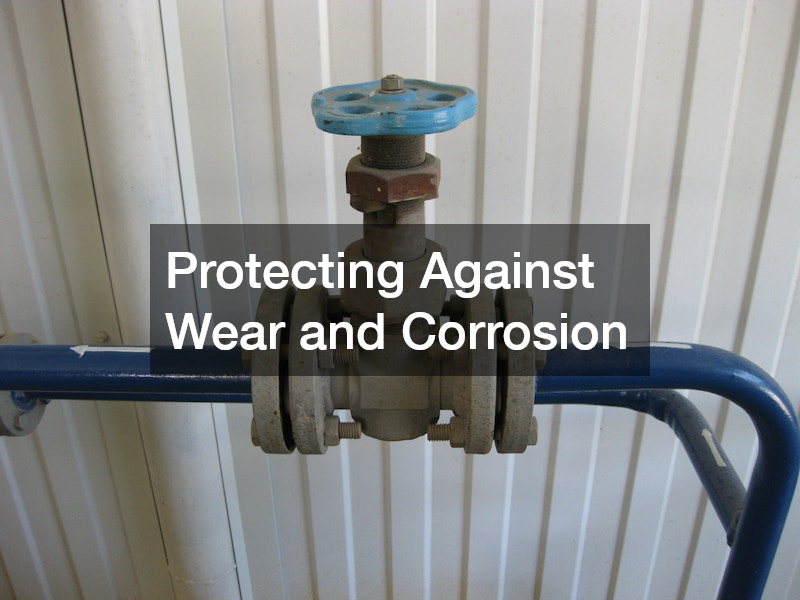
Over time, plumbing systems are exposed to a variety of conditions that can lead to deterioration. Water chemistry, environmental factors, and usage patterns all contribute to wear and corrosion. To combat this, protective measures are essential.
One of the most effective methods is applying ceramic coating to pipes and components. This creates a strong, protective barrier that resists abrasion, chemical exposure, and temperature changes. By extending the lifespan of materials, coatings help reduce maintenance costs and improve long-term reliability.
In addition to coatings, proactive monitoring is key. A corrosion testing service can identify early signs of material breakdown before they become serious problems. Regular testing allows for timely repairs and adjustments, preventing minor issues from escalating into costly failures.
Supporting Construction and Jobsite Needs
Large plumbing installations often take place on active construction sites, where additional support systems are required to keep operations running smoothly. One important consideration is sanitation for workers.
A standard porta potty provides a practical solution for maintaining hygiene on-site, especially in locations where permanent facilities are not yet available. For longer projects or higher-end developments, luxury porta potties may be used to offer improved comfort and cleanliness.
While these temporary solutions are not part of the final plumbing system, they are essential to maintaining productivity, meeting health regulations, and ensuring a safe working environment throughout the construction process.
Testing and Quality Assurance
Ongoing Maintenance and Upkeep
Adapting to Growth and Change
Future-Proofing for Long-Term Performance

Looking ahead, reliability also means being prepared for future demands. Increasing water usage, stricter regulations, and advancements in technology are all shaping the way plumbing systems are designed and maintained.
Investing in durable materials and advanced methods, such as pipe fusion, helps ensure long-term performance. High-quality components like a ceramic ball valve provide added resilience in demanding conditions, reducing the need for frequent replacements.
Monitoring technology is also becoming more common, allowing systems to detect leaks, pressure changes, and inefficiencies in real time. When combined with preventative measures like a corrosion testing service, these tools help maintain optimal performance and reduce risk.
Sustainability is another growing priority. Protective solutions like ceramic coating not only extend the life of materials but also reduce waste by minimizing the need for replacements. Efficient system design can also help conserve water and energy, benefiting both the environment and operational costs.
The Bigger Picture: More Than Just Pipes
When you take a step back, it becomes clear that a reliable plumbing system is far more complex than it appears. It’s not just about pipes hidden behind walls—it’s a carefully coordinated system that supports daily life in ways most people never notice.
Every stage plays a role. The precision of drilling services during site preparation. The strength of each connection, secured down to every bolt. The control provided by well-placed valves. The durability added through protective coatings and ongoing testing. Even temporary solutions like a porta potty or luxury porta potties contribute to keeping projects on track during construction.
And once everything is in place, the system continues to rely on consistent care. Regular inspections, preventative maintenance, and support from services like a janitorial service all help ensure that it continues to perform as intended.
A truly reliable plumbing system isn’t defined by a single component—it’s defined by how well everything works together over time. When designed thoughtfully and maintained properly, it becomes something you rarely think about. Water flows where it should, systems operate efficiently, and everything works quietly in the background.
That’s the ultimate goal: creating a system that doesn’t just function today, but continues to deliver dependable performance for years to come without interruption.