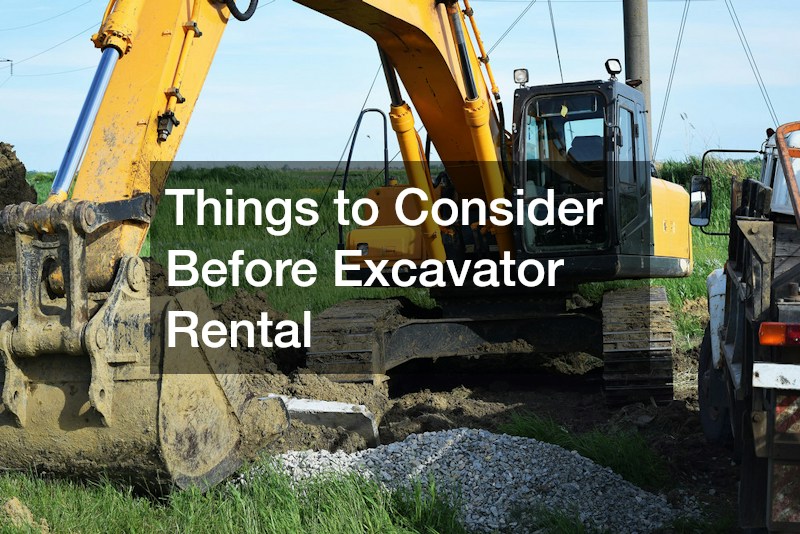
The decision to rent an excavator is crucial for ensuring the efficiency and success of a construction project. This powerful machinery is indispensable for tasks that involve digging, trenching, and material handling. Contractors, landscapers, and even DIY enthusiasts frequently find themselves in need of such equipment. However, renting an excavator without adequate preparation and knowledge can lead to unnecessary expenses and project delays. This article highlights the key considerations one should bear in mind while planning to rent an excavator, thereby facilitating informed decisions that benefit both the project’s timeline and budget.
1. What type of excavator do I need for my project?
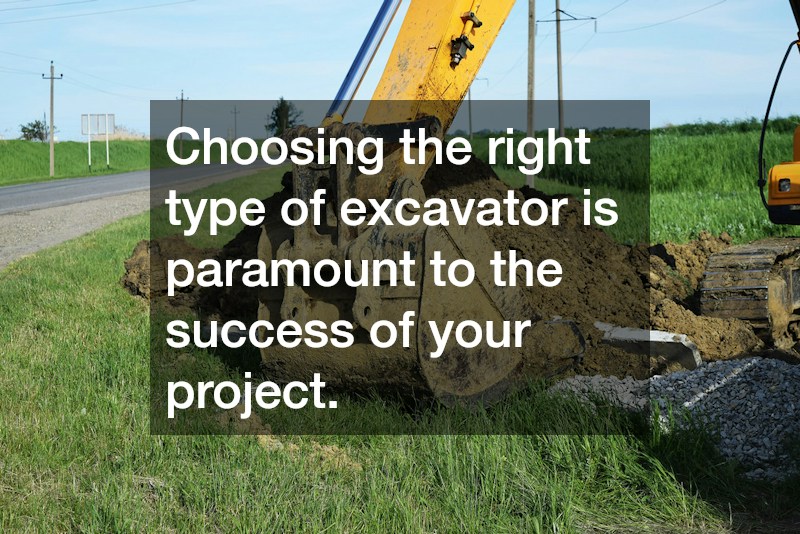
Choosing the right type of excavator is paramount to the success of your project. Excavators come in various types including compact or mini excavators, standard or full-sized excavators, and specialty excavators designed for specific tasks. Mini excavators are suitable for small to medium-sized projects, where space constraints are significant, and fine, precise work is necessary. Full-sized excavators, on the other hand, are ideal for large-scale construction projects due to their enhanced power and performance capabilities. When choosing an excavator, it’s important to align the machine’s specifications with the specific requirements of the task at hand to ensure efficiency and cost-effectiveness.
To identify the correct excavator type, one should analyze the work environment and specific project needs. Elements such as the terrain, site access, and the type of material to be excavated can heavily influence this decision. For clients working in confined spaces or on finished landscapes, mini-excavators might offer the best utility due to their compact dimensions. Conversely, if the project involves heavy lifting or deep trenching, a standard excavator with greater power output and reach may be more appropriate. Assessing these parameters will help in selecting an excavator that efficiently balances performance with the demands of the task.
2. How can I determine the rental cost of an excavator?
The rental cost of an excavator can vary significantly based on a variety of factors. Key considerations include the size and type of the excavator, the duration of the rental, and the region where the equipment is being rented. Larger machines generally incur higher rental fees due to increased capabilities and operational costs. Additionally, rental companies might also charge for transportation, insurance, and required permits, which should be factored into the overall budget. Understanding these variables provides better insight into cost planning and aids in selecting the most suitable equipment within financial constraints.
Another crucial factor influencing rental costs is the length of the rental period. Typically, daily, weekly, and monthly rental rates are available, with longer-term rentals often providing more cost-effective pricing. Contractors should calculate the duration of their project accurately to avoid both premature returns and unnecessary extensions. Renting for too short a period might result in workflow disruptions, whereas extended rentals can inflate costs considerably. Adequately estimating project timelines ensures the most efficient use of resources and supports budgeting processes, enabling project managers to allocate funds more strategically.
Additional fees are often overlooked but can significantly impact the final expense of an excavator rental. Maintenance and refueling charges may apply depending on the rental agreement specifics. Optional extras such as GPS tracking systems or advanced safety features might also influence costs, albeit these can enhance safety and operational efficiency. Negotiating clearly defined contracts and understanding the terms helps mitigate unexpected financial burdens and ensures the rental aligns with both operational needs and budgetary allowances.
3. What is the importance of checking the equipment’s condition before renting?
Ensuring that rented equipment is in optimal condition is vital for both safety and operational efficiency. Before renting an excavator, a thorough inspection should be conducted to ascertain the machine’s condition. Checking components like the engine, hydraulic systems, and tracks, along with other critical segments, can prevent mechanical failures. An equipment inspection not only safeguards against potential on-site accidents but also ensures uninterrupted work progress. It is advisable to partner with rental companies that maintain a rigorous maintenance schedule and provide transparent maintenance records.
Inspecting an excavator before renting plays a significant role in maintaining operational timelines and quality. Equipment that exhibits signs of wear or damage could lead to work delays, costly repairs, or even complete project halts. A detailed inspection should include verifying all controls, ensuring they operate smoothly, and checking for any fluid leaks or unusual noises during operation. Some rental firms provide documentation certifying the equipment’s condition, further reassuring clients of the excavator’s reliability. Engaging in this preemptive measure bolsters confidence in the equipment’s performance and reduces uncertainty in operation timelines.
Renting an excavator necessitates a comprehensive evaluation of various critical factors to ensure project success. Selecting the appropriate type of excavator based on specific project needs can enhance operational efficiency and minimize unnecessary costs. An accurate understanding of rental costs and potential additional fees also aids in budget planning and resource allocation. Furthermore, ensuring the equipment’s optimal condition before renting mitigates safety risks and prevents project delays. By thoroughly considering these aspects, contractors, landscapers, and DIY enthusiasts can make informed decisions that favor the timely and cost-effective completion of their projects.