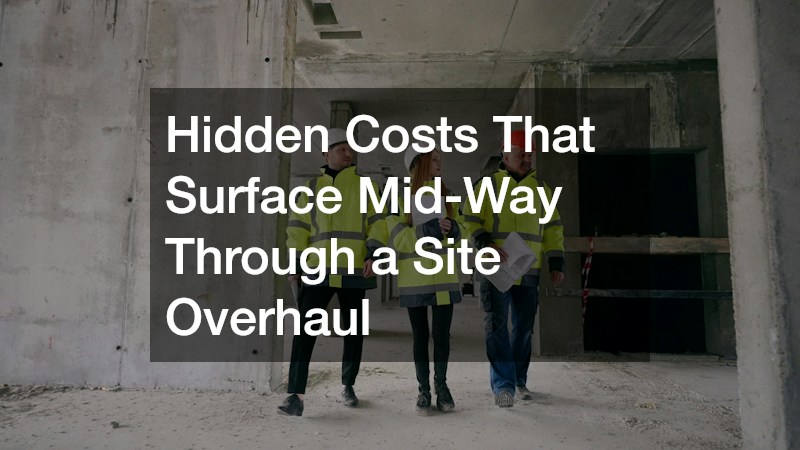
A site overhaul almost never ends up costing what the original bid promised, and that gap between the estimate and the final invoice can blindside even careful planners. Most of the surprises do not show up on day one, when everyone is still working from the original drawings and budget. They surface a few weeks in, once crews start tearing into the ground, the old structure, or the site logistics that nobody budgeted for. Knowing where these costs typically hide can help you build a buffer into your plan before the first shovel hits dirt.
Site Clearing Reveals What the Drawings Could Not Show
Every overhaul starts with some form of demolition, and demolition contractors will tell you that the real scope of a job often only becomes clear once walls come down or soil gets exposed. Hidden utility lines, old foundations, and buried debris from a previous structure are common discoveries that were never part of the original quote. These finds typically require change orders, and change orders almost always mean added time and added cost.
Because of this unpredictability, it is worth asking your contractor upfront how they handle unexpected site conditions before signing anything. A clear process for documenting and pricing surprises protects you from vague verbal promises later. Ask for examples of past projects where hidden conditions added cost, and how those were communicated to the client.
Debris Removal and Material Separation Add Up Fast
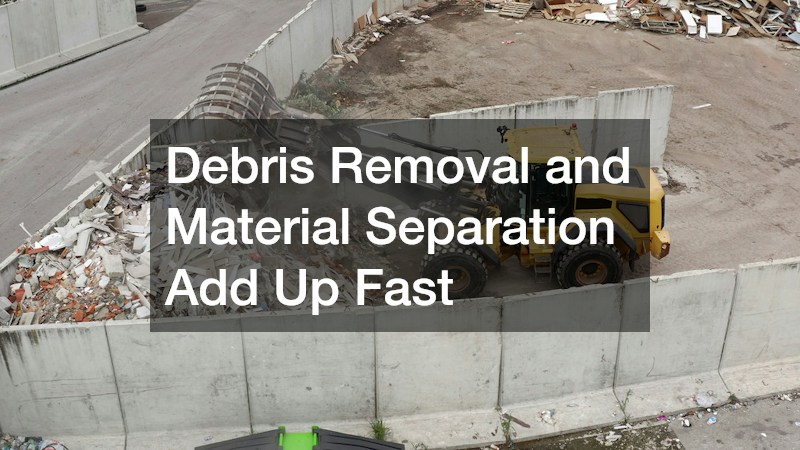
Once demolition begins, someone has to deal with the mountain of material it produces, and this is a line item people routinely underestimate. Construction recycling has become standard practice on many job sites, both for environmental reasons and because it can reduce landfill fees, but sorting and hauling that material still costs money and labor hours. Concrete, wood, metal, and drywall often need to be separated, and the equipment and bins required for that sorting are rarely included in a baseline estimate.
The volume of debris from a mid-size overhaul is almost always larger than owners expect, especially once interior finishes and old mechanical systems come out. Haul-away costs can shift significantly depending on how far the nearest recycling or disposal facility is from the site. Getting a written estimate specifically for debris volume, rather than a rough guess, helps avoid a mid-project invoice shock.
Grading and Earthwork Change the Equipment Needed
Once the old structure is gone, grading work often reveals that the soil or slope is not what the plans assumed, which can force a change in equipment or technique. Fine grading work sometimes requires carbon grader blades suited to harder or rockier soil than what was anticipated, and swapping equipment mid-job is not free. These blade changes are a small line item individually, but they add up when a crew has to adjust its approach more than once during the earthwork phase.
Soil conditions are one of the least visible risks in any site overhaul because they are literally buried until work begins. A geotechnical survey done early can reduce this risk, but many smaller projects skip this step to save money upfront. That shortcut often costs more later, once crews discover rock, clay, or unstable fill that the original grading plan did not account for.
Heavy Equipment Needs Shift Once Work Is Underway
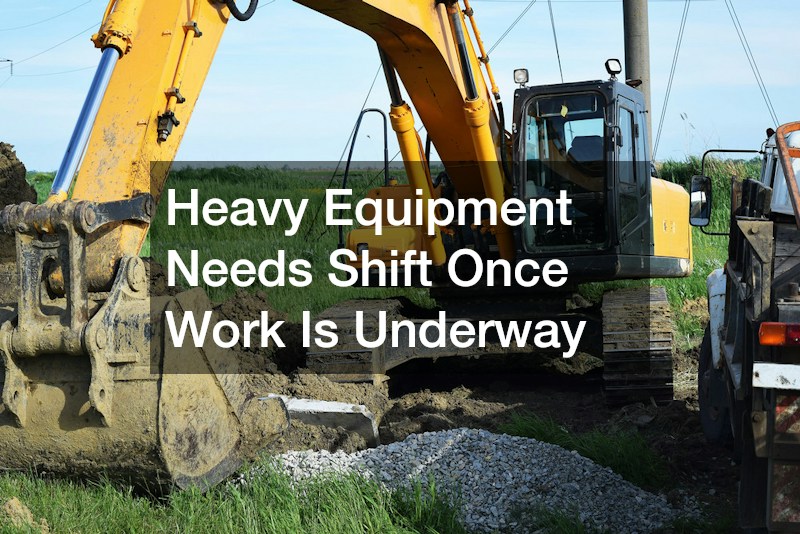
Many site overhauls start with a plan for one type of machinery and end up needing something entirely different once the scope becomes clear. A short-term excavator rental is common when a project suddenly needs trenching or deeper digging than originally scoped, and rental rates vary a lot depending on machine size and how long you need it. Owners who budgeted for a single piece of equipment for the whole job are often surprised when a second or different machine becomes necessary partway through.
Equipment costs are also sensitive to timing, since rental rates can spike during busy seasons or when local supply is tight. It helps to ask your contractor for a realistic range of possible equipment needs rather than a single fixed number. Building in a contingency for machinery changes is one of the simplest ways to avoid a mid-project budget scramble.
- Confirm whether equipment costs are itemized separately or bundled into the general contractor fee
- Ask what happens if the project needs a larger machine than originally planned
- Clarify who absorbs the cost if equipment sits idle due to delays
- Find out if rental rates are locked in for the project duration or subject to change
Structural Components Often Cost More Than Expected
Mid-overhaul, many projects discover that a planned structural element needs upgrading once engineers see real site conditions. Composite metal decking is frequently specified for new floor or roof systems because it offers strength with less material, but substitutions or upsizing partway through a project can increase both material and labor costs. These changes often come from updated load calculations or code requirements that only surface once construction is actively underway.
It is worth asking your structural engineer early on how confident they are in the original specifications, since underestimating structural needs is one of the more expensive surprises to fix later. Catching a sizing issue before materials are ordered is far cheaper than correcting it after installation. A short conversation at the design phase can prevent a costly scramble once framing begins.
Alternative Structures Can Solve Budget and Timeline Problems
When a project runs into delays or needs extra storage or workspace mid-build, some owners turn to temporary or semi-permanent structures rather than waiting on the main build. Hoop buildings have become a popular stopgap because they can be erected quickly and relocated or repurposed once the main structure is finished. They are not a permanent fix, but they can keep a project moving when the primary building faces delays from permitting, weather, or material shortages.
The appeal of this option is flexibility, since these structures can house equipment, materials, or even temporary offices without the lead time of conventional construction. Costs vary based on size and the type of foundation or anchoring required, so it is worth getting a few quotes before committing. For projects already over budget, this can be a more affordable bridge than extending the main construction timeline.
Site Logistics for Crews Are Easy to Overlook
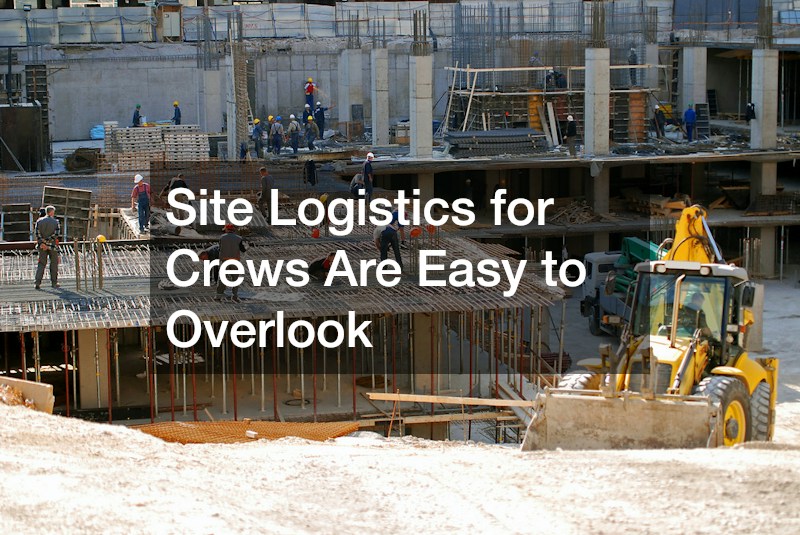
Once a job site is active for weeks or months, the day-to-day needs of the workforce become a real budget item that many owners never considered at the planning stage. Construction restroom trailers are now standard on larger sites, both for compliance reasons and basic crew comfort, and rental costs scale with the length of the project and the number of units needed. A project that runs longer than planned will also run up these rental costs longer than the original budget assumed.
These logistics costs are easy to dismiss as minor, but over a six-month project they can add up to a meaningful sum. It helps to ask whether these costs are built into the general conditions line of your contract or billed separately as the project progresses. Knowing this upfront prevents a confusing invoice later when the project is already underway.
Plumbing and Drainage Problems Surface Once Work Begins
Older sites frequently have plumbing or drainage issues that nobody knew about until construction disturbs the ground or the existing systems. Cast iron pipes from decades past may be corroded through, clay drainage tile can be cracked from years of soil shifting, and old repairs done without permits sometimes surface as code violations once inspectors take a closer look. None of this shows up on a standard pre-construction walkthrough, because the real condition of the pipes is buried under slabs, behind walls, or beneath the yard. Commercial drain cleaning companies are sometimes called in mid-project after crews discover a blockage or degraded pipe that was invisible before demolition started.
A simple clog might run a few hundred dollars to clear, but a collapsed line under a foundation can mean cutting concrete, replacing sections of pipe, and bringing in a plumber alongside the original contractor — easily pushing costs into five figures depending on depth and access. This kind of discovery can pause other work on site while the problem gets diagnosed and fixed, which adds both cost and schedule delay. Electrical and flooring crews often can’t proceed until the drainage issue is resolved and inspected, which means the delay ripples through the whole project timeline rather than staying contained to one trade. Smart project owners build in a contingency line specifically for underground surprises like this, since on older buildings it’s less a question of “if” than “how bad.”
Older commercial properties in particular tend to have drainage systems that were never mapped accurately. Previous renovations, informal patch repairs, and decades-old cast iron or clay pipe runs often go undocumented, so the drawings on file may bear little resemblance to what’s actually buried on site. A camera inspection before major sitework begins can catch some of these problems early, revealing root intrusion, bellied pipes, or collapsed sections before crews start digging. It will not catch everything. Lines that run under slabs or through areas inaccessible to a scope, as well as problems that only emerge once nearby excavation shifts the soil around aging pipe, can still surprise a crew mid-project.
Even so, an inspection reduces the odds of a mid-project surprise that stalls the whole schedule, since known issues can be priced and sequenced into the plan rather than discovered when a trench suddenly fills with groundwater or sewage backs up into an active work area. Budgeting a small contingency specifically for plumbing discoveries is a reasonable precaution on any older property. As a rough guide, many contractors set aside 3-5% of total project cost for underground utility surprises, more if the building predates 1980 or sits on a site with known soil instability. It’s also worth having a plumber on call rather than scheduling one only after a problem appears, since the delay in sourcing a qualified sub mid-project can cost more time than the repair itself.
Moving Operations Mid-Project Adds Its Own Costs

If the overhaul involves a working business rather than an empty lot, relocating staff, equipment, or inventory during construction is a cost that often gets underestimated. Business moving companies are sometimes brought in partway through a project once it becomes clear that operations cannot continue safely in the active construction zone. This is especially common when a renovation expands beyond its original footprint and displaces a department or storage area that was supposed to stay untouched.
Planning for this possibility before the project starts, rather than scrambling once it becomes necessary, can save both money and stress. Getting a quote for a possible mid-project move, even if you hope not to need it, gives you a realistic number to hold in reserve. Businesses that skip this step often end up paying rush rates for a move they did not plan for.
Legal and Safety Issues Can Emerge Without Warning
Construction sites carry inherent risk, and even well-run projects occasionally have an incident that results in injury to a worker, visitor, or neighboring property owner. When this happens, personal injury lawyers sometimes get involved on behalf of the injured party, and the resulting claims or settlements can add unplanned cost and delay to a project. This is not something most owners want to think about during planning, but having adequate insurance coverage in place before work begins is far cheaper than dealing with a claim after the fact.
Beyond the direct cost of a claim, legal issues can also pause work while investigations happen, which extends the timeline and adds holding costs. Reviewing your insurance coverage with a knowledgeable broker before construction starts is a simple step that is often skipped. It is one of the few hidden costs that can be largely prevented with proper planning rather than just budgeted around.
Conclusion
Hidden costs on a site overhaul rarely come from one dramatic failure; they usually come from a string of smaller surprises that nobody priced into the original plan. The best defense is not a bigger budget alone, but a realistic conversation with your contractor and other professionals about what commonly goes wrong on projects like yours. Before you break ground, ask pointed questions about equipment, debris, structural specifications, and site logistics so you know where your contingency fund is most likely to get used. A little extra planning now can be the difference between a stressful mid-project scramble and a project that stays roughly on track.