
A single vehicle sitting idle in a repair bay rarely stays a simple problem. For homeowners who rely on a truck for work, side jobs, or hauling, and for anyone managing even one or two vehicles, downtime quietly drains money in ways that never show up on the repair invoice. Understanding these hidden costs helps you plan better, react faster, and avoid the kind of financial surprises that turn a minor breakdown into a major setback. This article breaks down where those extra costs come from and what you can do to minimize them.
The Real Impact of a Vehicle Sitting Idle
When a vehicle is out of service, the losses go far beyond what a mechanic charges for parts and labor. Missed deliveries, canceled appointments, and lost income add up quickly, especially if the vehicle is central to your daily routine or livelihood.
Consider a delivery van that sits idle for just two days: rescheduled routes, unhappy customers, and possibly a rush fee to a competitor covering your load can easily total more than the repair itself. For a single work truck, even one missed job might mean hundreds of dollars in lost revenue, plus the time spent rearranging schedules and notifying clients.
Many people underestimate how much a few days of downtime can cost until they actually experience it, whether that’s overtime pay for other staff picking up the slack, a rental vehicle fee, or a customer who takes their business elsewhere permanently. Recognizing this upfront helps you take breakdowns more seriously and act quickly instead of waiting to see if the problem resolves itself.
- Lost wages or income if the vehicle supports work activities, including missed billable hours and idle crew time
- Rescheduling fees for missed service calls or deliveries, plus potential contract penalties for late fulfillment
- Rental costs while your vehicle is unavailable, which can quickly add up on a daily or weekly basis
- Fuel and insurance costs that continue even though the vehicle isn’t earning its keep
- Strained relationships with clients or family members counting on you, which can lead to lost repeat business
- Diminished reputation if delays become a pattern, making customers hesitant to rely on your services again
Getting Stranded and Getting Back on the Road
A breakdown rarely happens at a convenient time or location, which is why having a plan for emergency transport matters. Arranging towing quickly can mean the difference between a same-day fix and a vehicle sitting on the shoulder overnight, exposed to weather and further damage. Response times vary widely depending on your location, so it helps to know a few reliable providers ahead of time rather than searching in a panic.
Choosing the right service also affects cost. Flatbed transport is often necessary for certain types of damage, while a standard tow truck works fine for others, and knowing the difference can save you money and prevent additional harm to the vehicle.
- Keep a saved list of trusted providers in your phone
- Ask about flatbed versus wheel-lift options before the tow arrives
- Confirm pricing structure, since rates often depend on mileage and time of day
Why Repair Estimates Rarely Tell the Whole Story

When a vehicle needs work, the quoted price for truck repairs often only covers parts and labor, not the ripple effects of the vehicle being unavailable. A three-day repair might sound simple, but if it turns into a week because a part needs to be ordered, the actual cost multiplies. Getting a written estimate with a realistic timeline helps you plan around the disruption instead of being caught off guard.
It also pays to ask shops direct questions about parts availability and labor scheduling before agreeing to repairs. A shop that communicates clearly about delays tends to save customers more money in the long run than one that simply promises a fast turnaround without backing it up.
- Ask for a written estimate that includes both cost and expected completion date
- Confirm whether parts are in stock or need to be ordered
- Request updates if the repair timeline changes
Small Problems That Take Vehicles Off the Road
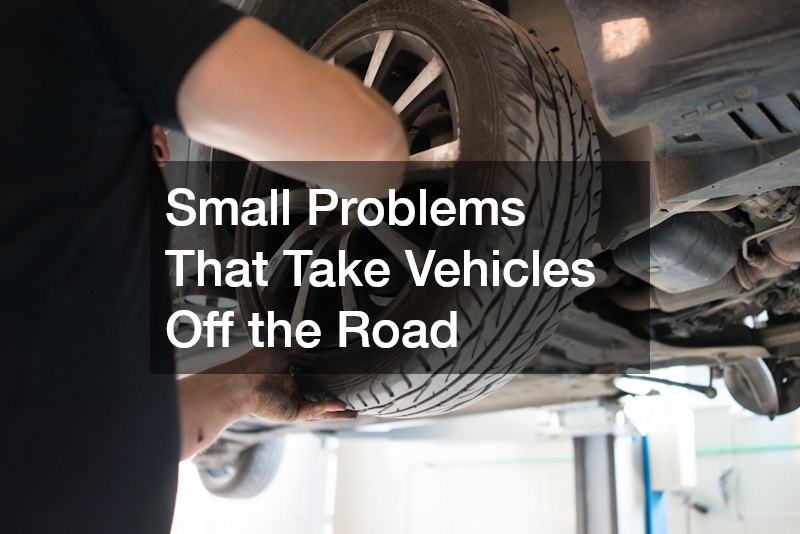
Not every cause of downtime is dramatic. Something as simple as a worn tire or a warning light can sideline a vehicle if it is not addressed quickly. Many local tire shops offer same-day service for common issues, which can prevent a minor concern from becoming an unexpected overnight stay in the shop.
Brakes are another frequent culprit, and delaying brake repair often turns a small job into a bigger one involving rotors or calipers. Staying ahead of routine maintenance is one of the most effective ways to avoid downtime altogether, since many breakdowns are preventable with regular inspection.
- Schedule tire rotations and inspections on a consistent basis
- Address squealing or grinding brake noises immediately
- Keep a maintenance log to track recurring issues
Protecting Visibility and Preventing Bigger Damage
A cracked windshield might seem like a cosmetic issue, but it can compromise structural integrity and even trigger a failed inspection in some areas. Prompt windshield repair is usually far cheaper than a full replacement and can often be done in under an hour, minimizing the time your vehicle spends off the road. Ignoring small chips allows temperature changes and road vibration to turn them into larger cracks that spread across the glass.
- Get chips assessed within a few days of noticing them
- Avoid extreme temperature changes, like blasting the defroster on a cold windshield
- Ask whether your insurance covers glass repair separately from your deductible
When an Accident Adds Legal Complexity to Downtime

Collisions introduce a different layer of cost and delay, especially when liability is unclear or another party is involved. Consulting a truck accident attorney early can help protect your interests, especially when it comes to lost income claims, medical costs, or disputes over fault. Many people wait too long to seek legal guidance, which can weaken their position if the case becomes complicated.
Legal proceedings can also extend how long a vehicle stays out of use, particularly if it is being held as evidence or awaiting an insurance decision. Understanding your rights early on helps you avoid unnecessary delays and ensures you are compensated fairly for the disruption, not just the physical damage.
- Document the scene and gather witness information immediately
- Keep records of income lost due to the vehicle being unavailable
- Consult an attorney before accepting a settlement offer
Keeping Operations Moving While Repairs Are Underway
For those who depend on hauling capacity, a breakdown does not have to mean a complete halt in activity. Dry van trailer rentals offer a practical way to keep freight or equipment moving while your primary trailer is being repaired or serviced. This option is especially useful for seasonal work or short-term contracts where losing even a few days can affect an entire project timeline.
- Compare rental terms, including mileage limits and insurance requirements
- Ask about availability during peak seasons, since demand can affect pricing
- Confirm whether the rental company offers roadside support during the rental period
Presentation and Equipment That Support Long-Term Value
Downtime is not only about mechanical failure; it also affects how a vehicle looks and functions over time. A truck sidelined for a week of bodywork often comes back with mismatched paint, faded panels, or scuffed decals that make the whole fleet look inconsistent. If a vehicle needs bodywork or a refresh after an accident or extended repair, commercial vehicle wrap services can restore its appearance while also protecting the underlying paint from further wear.
Wraps typically cost a fraction of a full repaint and can be completed in one to three days, which means less time off the road while still delivering a like-new finish. They also offer a practical opportunity to update contact information, service offerings, or branding that may have changed since the vehicle was first put into service. Beyond looks, quality vinyl adds a layer of protection against UV fading, road debris, and minor scratches, which can extend the resale value of the vehicle.
This is particularly relevant for anyone who uses their vehicle for visible work, since appearance often influences customer trust. A worn, mismatched, or damaged vehicle parked at a job site or driving through town can quietly undercut a company’s reputation, no matter how good the work behind it is. Treating cosmetic repair as part of the downtime recovery plan, rather than an afterthought, helps ensure the fleet supports the business image it’s meant to project.
Beyond aesthetics, the right truck accessories can reduce the odds of future downtime altogether. Simple upgrades, like better lighting, storage solutions, or protective components, often prevent the kind of minor damage that leads to repeat shop visits.
Consider bed liners and fender flares, which guard against corrosion and road debris that can chip paint or crack housings over time. Toolbox mounts and cargo dividers keep loose equipment from shifting during transport, reducing the dents and electrical shorts that come from unsecured gear bouncing around. Upgraded LED lighting packages not only improve visibility on night routes but also draw less power, easing strain on alternators and batteries.
Weatherproofing components, such as sealed wiring harnesses and rust-resistant hardware, are especially worth the investment for fleets operating in harsh climates. A few hundred dollars in preventive accessories can offset thousands in repair costs and lost service days down the road. When evaluating upgrades, prioritize the ones that address your fleet’s most common failure points first.
- Choose wrap materials rated for durability in your climate, such as UV-resistant laminates for high-sun regions or cold-crack-resistant vinyl for harsh winters
- Expect quality wraps to last 5-7 years versus 2-3 for budget materials, reducing rebranding frequency and associated downtime
- Consider accessories that improve safety, such as backup cameras, extra lighting, or blind-spot sensors
- Weigh accessory costs against potential accident-related downtime and liability exposure
- Factor in accessory installation time when scheduling other repairs, since combining jobs can save a full shop visit
- Ask vendors for average install times upfront so you can accurately block out vehicle downtime on the schedule
Managing the People Side of Downtime

When a vehicle is unavailable, the impact often extends to the people who depend on it, including employees, contractors, or family members relying on scheduled work. For small business owners, hr consultants can help navigate how to handle missed shifts, temporary reassignments, or communication with clients during unexpected delays. Having a plan for these situations reduces stress and keeps operations organized even when a vehicle is out of commission.
- Establish a backup plan for staff or contractors when a vehicle is unavailable, such as a shortlist of rental agencies with pre-negotiated rates or a rideshare stipend (e.g., $50/day cap) for drivers stuck without a truck
- Keep contact info and account numbers for 2-3 backup vendors on file so dispatchers aren’t scrambling to find a rental during a breakdown
- Negotiate rental terms in advance, including daily rate caps, insurance coverage, and same-day availability guarantees, so cost and liability surprises don’t compound the downtime
- Cross-train employees so a delivery driver or field tech can shift to another role, like dispatch, warehouse support, or customer service, during downtime instead of sitting idle on payroll
- Track which employees are cross-trained in a simple skills matrix so managers know instantly who can cover which role
- Update the skills matrix quarterly, noting certification expirations (like CDL or forklift licenses) so a “backup” employee is actually cleared to step in when needed
- Communicate delays to clients proactively rather than after the fact, ideally with a revised timeline and a single point of contact for updates
- Set an internal threshold, such as any delay over two hours or missed delivery windows, that automatically triggers a client notification, so communication doesn’t depend on someone remembering
- Use templated scripts or SMS/email alerts for common delay scenarios to make notifications fast and consistent across dispatchers
- Segment templates by client tier or contract type, since a high-volume account may warrant a phone call while a standard order can get an automated text
- Review policies periodically, at least once or twice a year, to ensure backup and communication plans reflect current fleet size, staffing, and client expectations
- Gather feedback from drivers and dispatchers after major downtime events, through a short debrief or survey, to spot gaps in the plan before the next breakdown occurs
- Log recurring pain points from these debriefs, such as a vendor who’s slow to answer or a notification threshold that’s too lax, and assign a specific owner to fix each one before the next review cycle
Fleet downtime, even for a single vehicle, touches far more of your life or business than the repair bill suggests. By understanding these hidden costs, from towing and legal considerations to maintenance and staffing, you can respond faster and make smarter decisions when problems arise. Taking a proactive approach today, rather than waiting for the next breakdown, is the best way to protect both your time and your budget.