

Managing a commercial property renovation is a multifaceted endeavor that requires a high level of coordination and a clear understanding of the various stages of construction. Whether a business owner is looking to breathe new life into an aging warehouse or a property manager is prepping a high-rise for new tenants, the process involves more than just a fresh coat of paint. It is a systematic overhaul that moves from the ground up, ensuring that every element of the building is functional, safe, and aesthetically pleasing for all future occupants. A well-executed renovation can significantly increase a property’s market value, reduce long-term operational costs, and create a more productive environment for employees and clients alike.
The success of such a massive project hinges on the quality of the planning phase. Before any demolition starts, stakeholders must define the scope of work and establish a realistic budget that accounts for both seen and unseen variables. This includes conducting thorough inspections of the existing infrastructure to identify hidden issues that could derail the timeline. By approaching the renovation as a series of integrated systems rather than isolated tasks, a property manager can ensure that the transition from foundation work to security installation is seamless, efficient, and free of costly interruptions that often plague poorly managed sites.
Setting the Stage with Structural Integrity
The foundation is literally and figuratively the most critical part of any building. Over time, commercial structures can experience settling, moisture infiltration, or structural fatigue that compromises the safety of the entire facility. Addressing these issues early prevents much more expensive problems from arising during later stages of the project. When a property shows signs of foundation cracks, uneven flooring, or compromised parking structures, it is time to consult with a specialized professional who understands the specific pressures of industrial-grade environments.
Working with an experienced concrete contractor is the first logical step in ensuring the building is on solid ground. These experts can assess the load-bearing capacity of the existing slabs and make necessary repairs or reinforcements using modern techniques. In many modern renovations, this phase also involves upgrading the surrounding hardscape. This might include pouring new walkways, repairing loading docks, or installing reinforced pads for heavy machinery. By prioritizing the structural health of the building, property owners create a stable base that supports all subsequent interior and exterior improvements without the risk of shifting or cracking over time.
Maintaining the Building Envelope and Shell
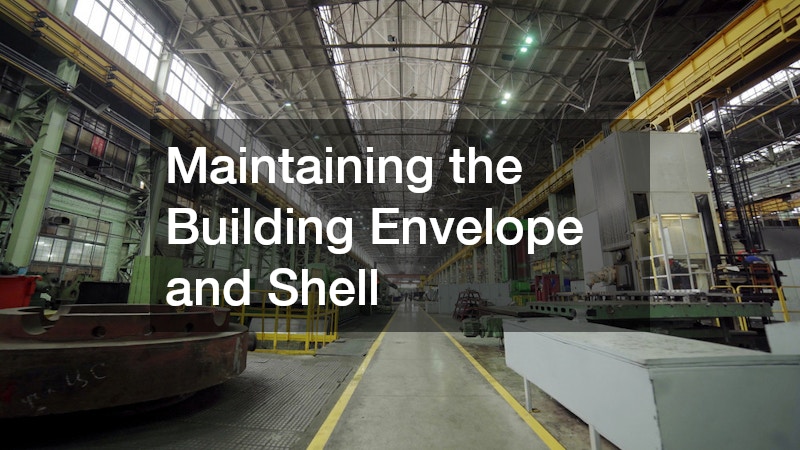
Once the structural integrity is verified, the focus shifts to the building envelope. This includes the roof, walls, and windows that protect the interior from the elements. A breach in the envelope can lead to mold growth, water damage, and a massive spike in energy consumption. In commercial settings, the roof is often the most vulnerable component, especially if it has been neglected for several years or subjected to harsh weather cycles that degrade standard materials.
Finding a reliable roofing company is essential for performing a comprehensive audit of the upper levels. Professionals will look for signs of membrane failure, ponding water, or damaged flashing that could allow moisture to seep into the walls and damage the insulation. Often, a simple repair can extend the life of a roof for several years, but if the insulation is saturated, a full replacement may be necessary to protect the asset. Ensuring that the roof is watertight allows the interior work, such as drywall and electrical installations, to proceed without the risk of weather-related setbacks that could ruin expensive new finishes.
Enhancing Curb Appeal and Brand Identity
After the structural and protective elements are addressed, the aesthetic transformation begins. The exterior of a building serves as the first impression for visitors and potential tenants. A dated or peeling facade can suggest a lack of professionalism, whereas a modern, clean exterior communicates stability and success to everyone who passes by. This stage of the renovation is where the visual identity of the brand is solidified through color and texture, creating an inviting atmosphere that draws people in.
Hiring a professional exterior painting service is one of the most cost-effective ways to modernize a commercial building. Beyond simple aesthetics, high-quality industrial coatings provide an additional layer of protection against UV rays and moisture that can cause long-term damage to the substrate. Professionals in this field understand the importance of surface preparation, ensuring that the new finish adheres properly to various materials like brick, metal, or stucco. A fresh exterior not only boosts morale for those working inside but also signals to the community that the property is under active, high-quality management and is a valuable part of the local landscape.
Integrating Energy Efficiency and Privacy
Modern commercial buildings are expected to be more than just functional; they must be energy efficient and environmentally responsible. Large windows are a staple of contemporary architecture, but they can create significant challenges regarding heat gain and glare. If a building’s HVAC system is struggling to keep up with the summer sun, the solution may not be a bigger air conditioner, but rather an improvement to the glass itself to prevent thermal transfer.
Seeking out reputable window tint companies can lead to a drastic reduction in utility costs over the lifespan of the building. High-performance window films reject a significant portion of solar heat while still allowing natural light to fill the workspace, reducing the need for artificial overhead lighting. This creates a more comfortable environment for employees and prevents the fading of interior furniture and flooring caused by direct sunlight.
Advanced Protection for Large-Scale Facilities
While standard roofing fixes might work for smaller retail shops, large industrial complexes and expansive office parks require a different level of expertise. The complexity of flat or low-slope roofs, often laden with heavy HVAC units and communication equipment, demands a specialized approach that accounts for drainage and weight distribution. These roofs must handle significant foot traffic and environmental stress without failing or allowing leaks to develop around the many penetrations required for modern utilities.
This is the point where partnering with a dedicated commercial roofing company becomes indispensable to the project. These firms specialize in materials like TPO, EPDM, and modified bitumen, which are designed for the rigors of large-scale commercial use and offer long-term durability. They can also implement advanced drainage systems and overflow scuppers that prevent water weight from accumulating during heavy storms, which is a major cause of structural collapse in older buildings. By investing in a high-grade commercial system, a property owner secures a long-term warranty and the peace of mind that the building’s contents are protected by the best technology available.
Heavy-Duty Infrastructure and Power Systems
As the renovation moves into the interior phase, the electrical infrastructure often needs a significant upgrade to handle modern technology. Many older buildings were not designed to support the power requirements of massive server rooms, advanced manufacturing equipment, or the hundreds of charging ports required in a modern office. Overloading an outdated system is not just inefficient; it is a major fire hazard that can lead to catastrophic losses if the system fails under pressure.
Navigating these complex power needs requires the services of a professional commercial electrical company. These experts handle the installation of heavy-duty switchgear, transformers, and dedicated circuits that keep a business running smoothly without interruptions. They are also responsible for ensuring that the building’s electrical system meets all current codes and safety regulations, which are updated frequently. Whether it is upgrading the main service panel or installing backup generator systems, having an industrial-grade electrical partner ensures that the facility can grow alongside the business it houses and remain operational during power outages.
General Wiring and Internal Lighting
Once the heavy infrastructure is in place, the focus shifts to the distribution of power throughout the individual workspaces. This includes everything from the placement of floor outlets to the installation of energy-efficient LED lighting systems that improve the work environment. Proper lighting is crucial for both productivity and safety, requiring a strategic layout that minimizes shadows and eye strain while highlighting the architectural features of the interior.
The day-to-day execution of these tasks is best handled by licensed electricians who can work alongside other trades to keep the project on schedule. These professionals manage the intricate network of wires hidden behind the walls, ensuring that every desk has the connectivity it needs for computers, phones, and peripheral devices. They also play a key role in installing emergency lighting and exit signs, which are essential for life safety compliance in every jurisdiction. By coordinating with these specialists, a property manager can ensure that the interior environment is both functional and adaptable for future technological changes that may arise.
Optimizing the Internal Layout for Productivity
With the power and structural elements secured, the renovation enters the phase that most directly impacts the daily lives of the occupants. The layout of an office can either facilitate collaboration or create bottlenecks that hinder work and lead to frustration. Modern businesses are increasingly moving away from rigid, cubicle-heavy designs in favor of more flexible, open-concept spaces that can be reconfigured as teams grow or change over time.
Managing an office build out requires a delicate balance between design and logistics to ensure the space is used effectively. This phase involves the construction of partition walls, the installation of acoustic treatments to manage noise, and the selection of durable yet attractive flooring that can withstand heavy traffic. It is the stage where the vision of the architect meets the practical needs of the workforce. A well-planned layout considers the flow of traffic, the need for quiet zones, and the importance of shared spaces like breakrooms and conference centers.
Mechanical Security and Door Hardware

As the interior nears completion, the focus naturally shifts to securing the property and protecting the people inside. Physical security begins at the perimeter and the primary entry points of the building. Even in an increasingly digital world, the mechanical components of a building’s doors remain the first line of defense against unauthorized entry. Sturdy locks and high-quality hardware are essential for protecting both assets and personnel from potential threats or simple vandalism.
Property managers often rely on professional locksmith services to establish a comprehensive master key system for the entire facility. This allows for tiered access, where certain employees can enter common areas while only management can access sensitive zones like server rooms, storage closets, or executive offices. These specialists also ensure that all doors are equipped with the correct panic bars and self-closing mechanisms required by fire codes for emergency egress. By focusing on the mechanical integrity of the building’s entryways, a manager builds a foundation of security that is difficult to bypass through brute force or unauthorized duplication of keys.
Implementing High-Tech Entry Systems
In the final stage of a commercial renovation, many owners choose to layer digital security on top of their mechanical locks for maximum protection. Traditional keys, while reliable, can be easily lost, stolen, or duplicated by individuals with bad intentions. For modern facilities, the ability to track who enters and exits a building at any given time is a requirement for both safety and insurance purposes, providing a clear audit trail.
The installation of a modern access control system allows for the use of key fobs, mobile credentials, or even biometric scanners to grant entrance. These systems can be integrated with security cameras and alarm systems to provide a holistic view of the building’s security status from a central dashboard. One of the greatest benefits is the ability to instantly revoke access for a former employee or to lock down the entire facility in the event of an emergency. This level of control is essential for managing the complexities of a modern workforce and ensures that the property remains a safe, secure environment for everyone involved in the daily operations.
The Value of a Comprehensive Approach

Completing a commercial renovation is a significant milestone that marks a new chapter for any property and its owners. By following a checklist that starts with the foundation and ends with high-tech security, property owners ensure that no detail is overlooked and every dollar is spent wisely. The synergy between different trades is what ultimately creates a successful project that meets its goals. When the work of a foundation expert complements the systems installed by a security specialist, the result is a building that is more than just a collection of rooms; it is a high-performing asset.
In the end, the ultimate commercial property renovation is about creating a lasting legacy through quality craftsmanship and careful planning. It is an investment in the community and the local economy that benefits everyone. By working with a team of dedicated professionals across all trades, property managers can transform an aging structure into a modern marvel of efficiency and security. This structured approach ensures that the project stays on track, remains within budget, and delivers a finished product that stands the test of time. As the final inspections are cleared and the doors open to a new era, the value of a meticulous, ground-up renovation strategy becomes undeniably clear to everyone involved.